Available for Work

Based on a 2022 survey by QSR Magazine, 40% of 100 respondents reported experiencing frustration and discomfort with manual reservation processes. The primary causes of this frustration are the uncertainty of waiting times and the difficulty in contacting the restaurant. This indicates a significant need for a more efficient and user-friendly reservation system to enhance customer satisfaction and streamline the reservation process.
Wasted Time and Effort: Manually making reservations can be a time-consuming hassle. You might spend ages on hold on the phone, only to find out the restaurant is fully booked or the staff member makes a mistake with your reservation details.
Uncertainty and Frustration: With manual reservations, there's often no guarantee of a table, even if you call ahead. You might arrive at the restaurant expecting your table to be ready, only to be faced with a long wait or even be turned away. This can be frustrating, especially if you have a specific timeframe or occasion in mind.
Limited Flexibility: Changing a manual reservation can be a challenge. If your plans change or you need to adjust the number of people, reaching the restaurant and getting them to update their records can be difficult.
Feeling Disorganized and Outdated: Many restaurants still rely on outdated methods like handwritten reservation logs or basic answering machines. This can make the process feel disorganized and inconvenient compared to the ease of online booking platforms.
Reduced Choice and Missed Opportunities: If a restaurant is difficult to reach for reservations, you might simply give up and choose another establishment. This can limit your dining options and prevent you from trying new places, especially if they rely solely on manual reservations.

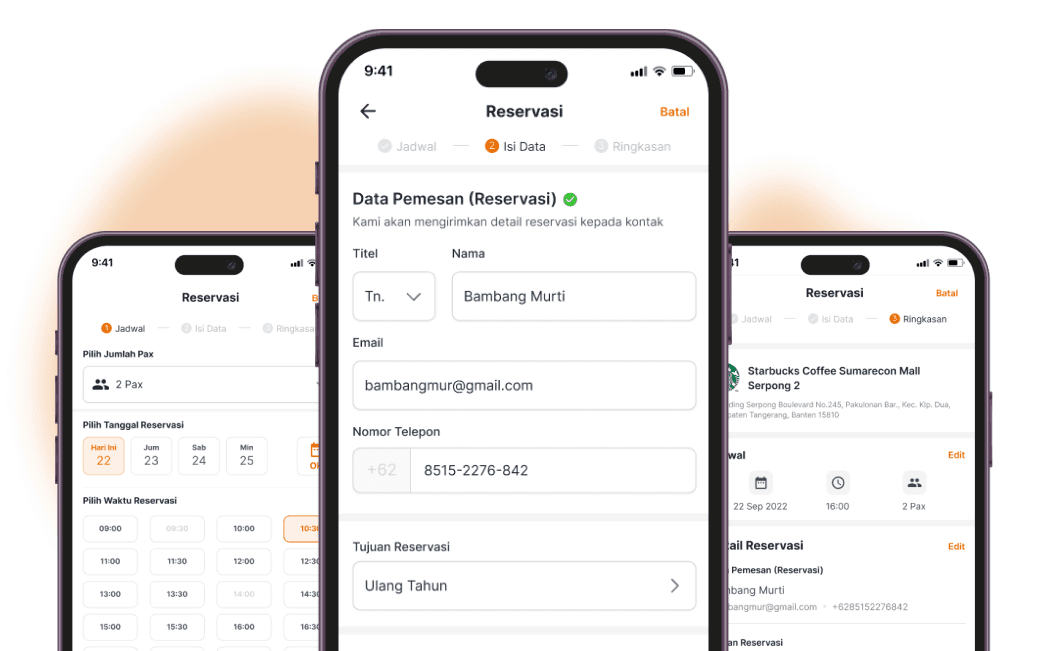
Develop and implement a seamless and efficient reservation system that reduces customer frustration by providing accurate wait times and easy communication with the restaurant, thereby enhancing the overall reservation experience for both restaurants and customers.

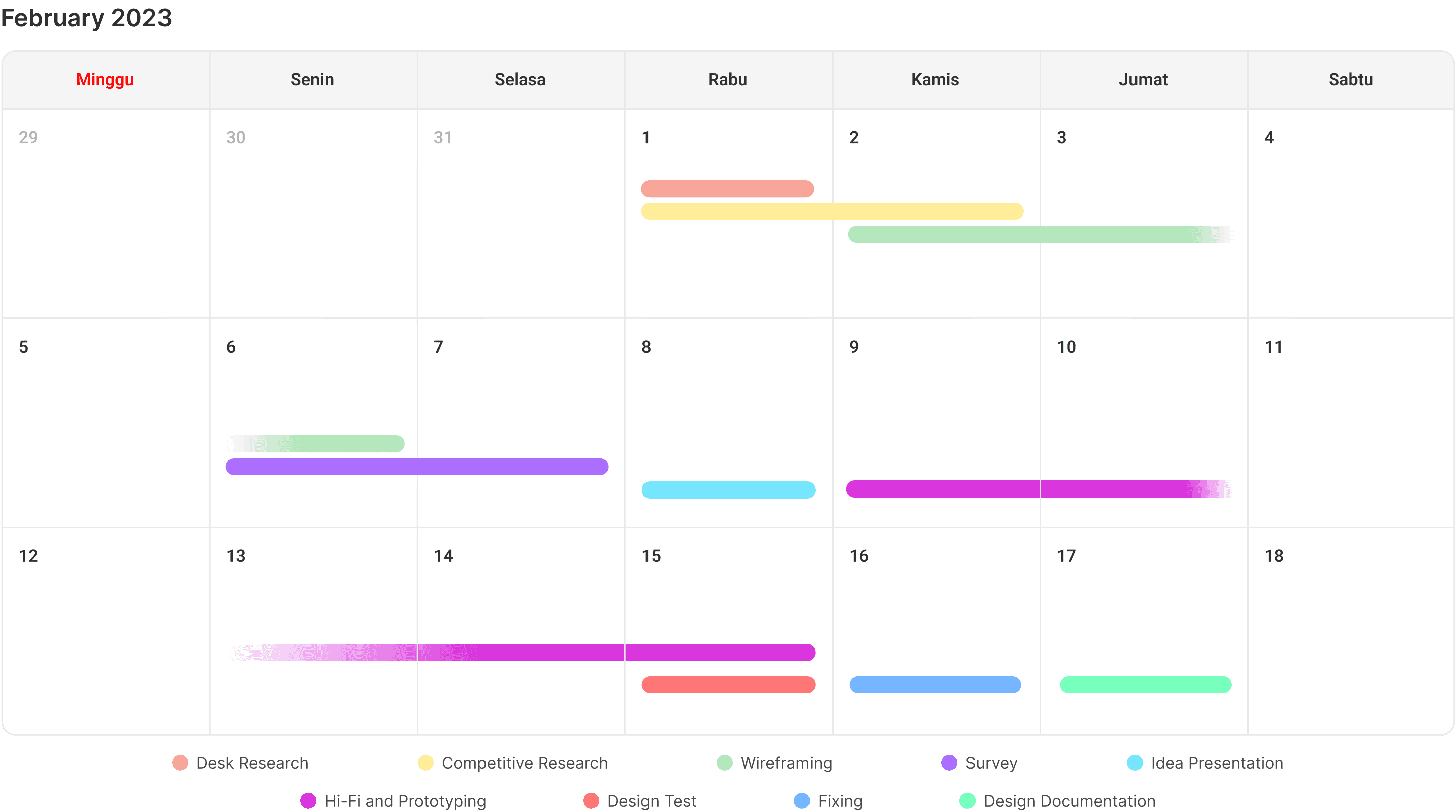
The timeline below outlines the entire process from Research, Mockup creation, to Testing.

OpenTable
Walk-ins have declined markedly because of the pandemic. When many restaurants started to cautiously reopen, walk-ins dropped by more than 6%. People called for reservations over the phone or booked online reservations instead of stopping by to check the availability of tables.
In June 2021, online bookings were 42% higher than they were in June of 2019. This is at least partially because online restaurant reservations are the new norm for dining.
TouchBistro
There are five reasons why you should consider upgrading your current process to a digital reservation system.
1. Less Clutter
Modern reservation systems can be managed through something as small as an iPad. This means your hosts can ditch the paper notebooks and keep the host stand clutter-free – something that makes a great first impression on customers.
2. Increased Accuracy
A reservation system reduces errors that can be made by taking reservation information over the phone
3. More Predictable Wait Times
A reservation system helps businesses optimize restaurant seating layouts, so that they can accommodate more customers and give guests more accurate wait times.
4. Automated Reservation Reminders
A modern reservation system can send guests automated reservation reminders and waitlist updates via text and email. This helps reduce no-shows by minimizing the chance your guest forgot their reservation.
5. Customer Profiles
Hospitality is all about the guest experience. Reservation technology can save customer information like contact details, how often they’ve visited, dietary restrictions, special dates and anniversaries, and even how much the customer has spent.

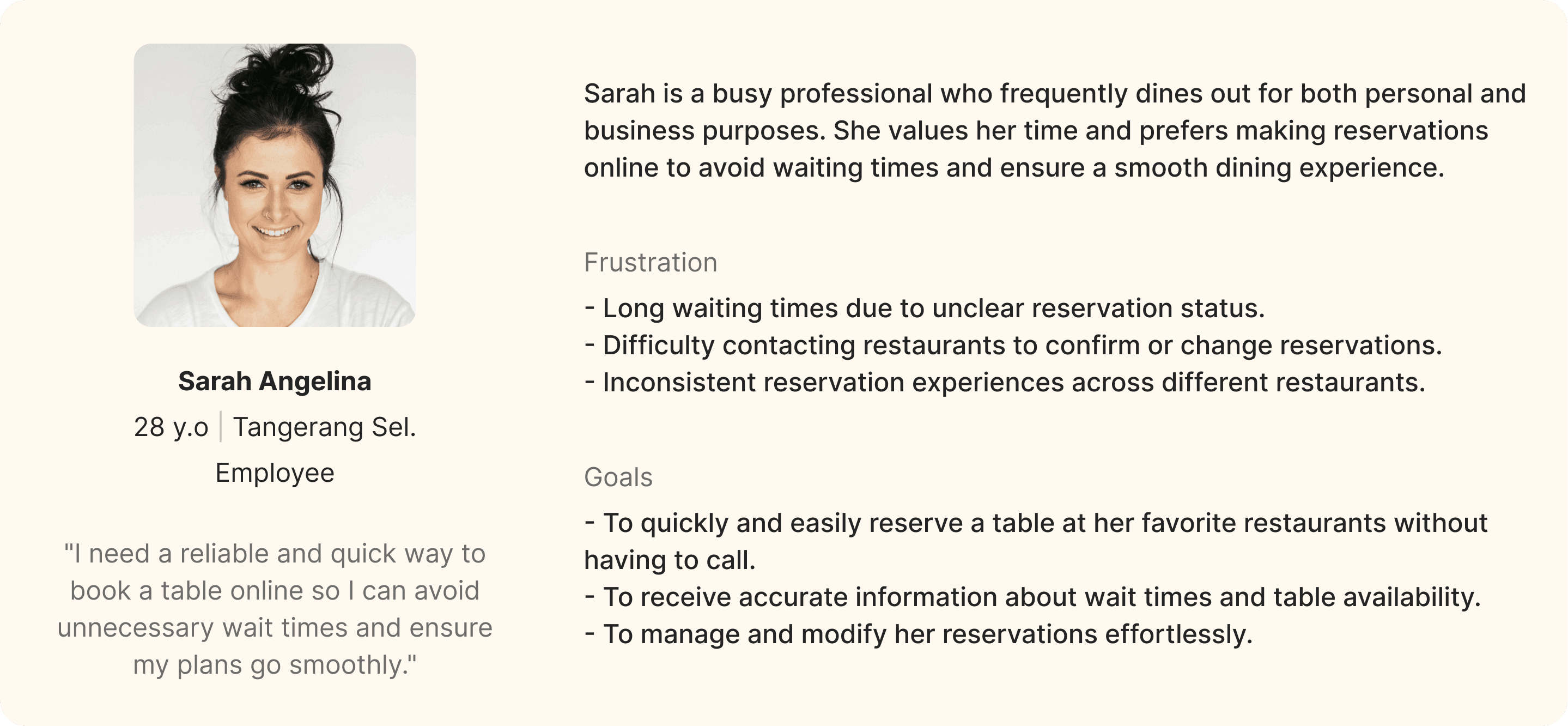

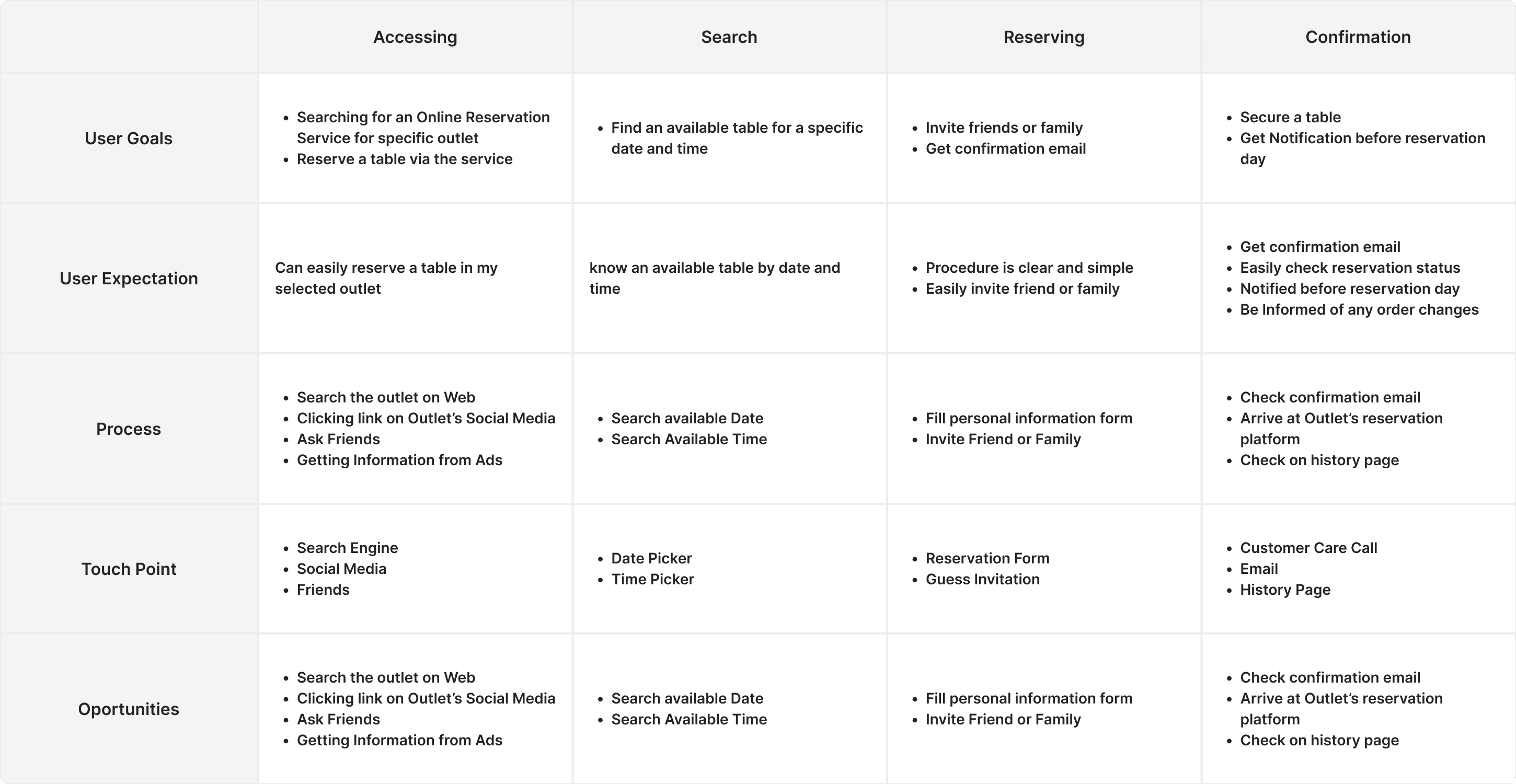

I conducted an In-depth Interview to 3 people about the main factors in visiting a restaurant. The selected respondents are 17-35 years old, lived in Jabodetabek and have the status of workers, entrepreneurs, or a student.
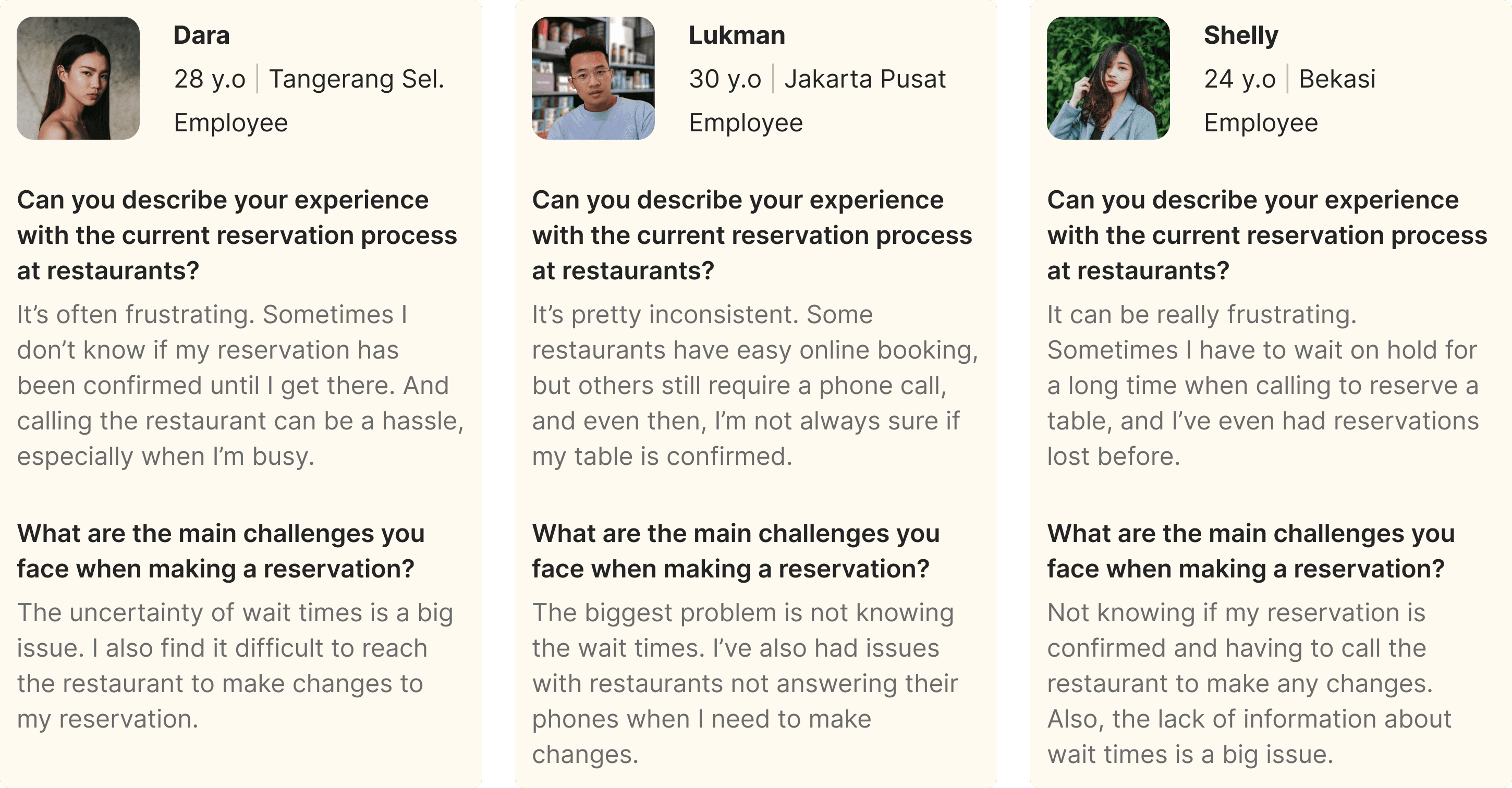

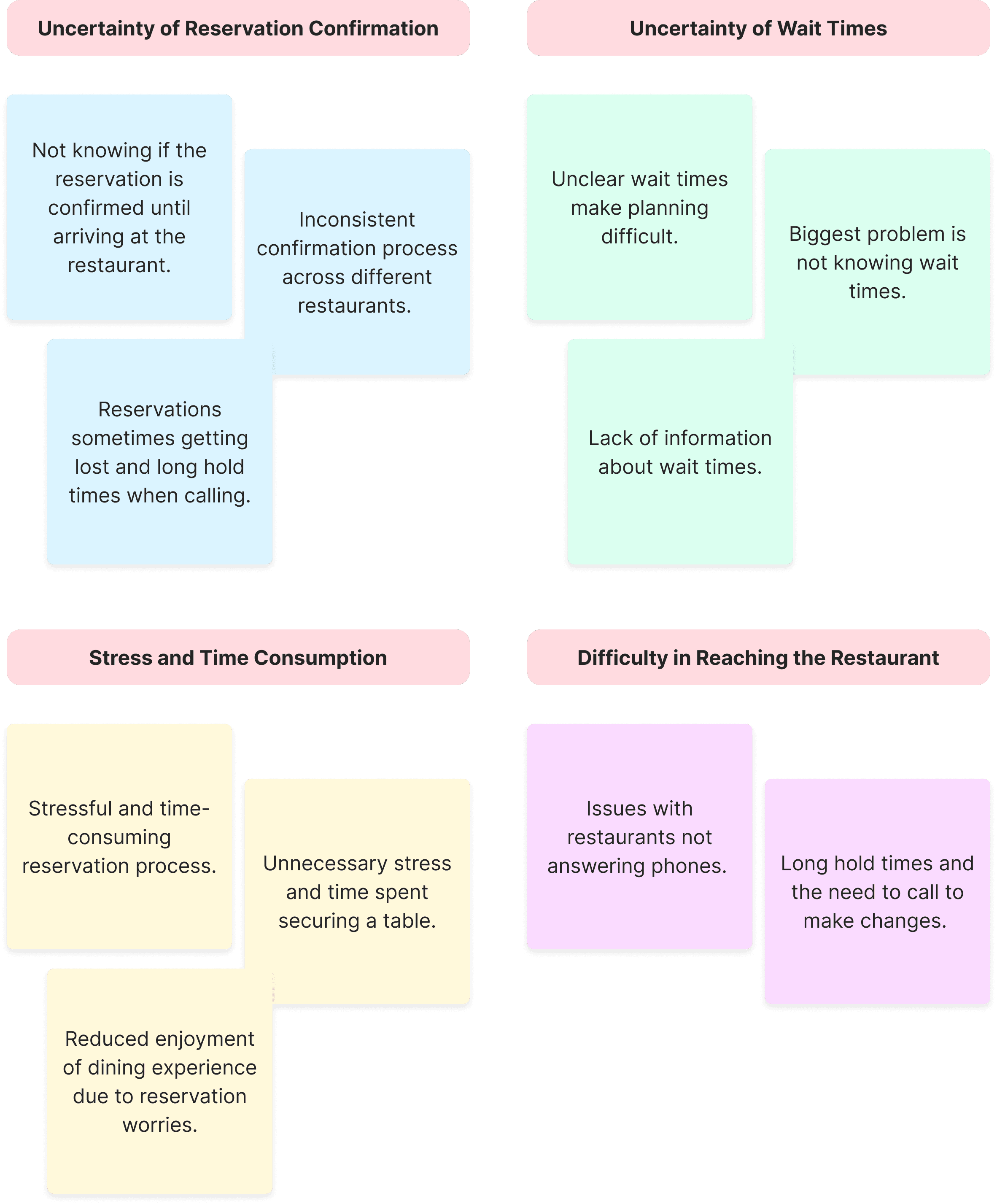
From the interview results, I mapped the existing pain points and grouped them based on their similarities.
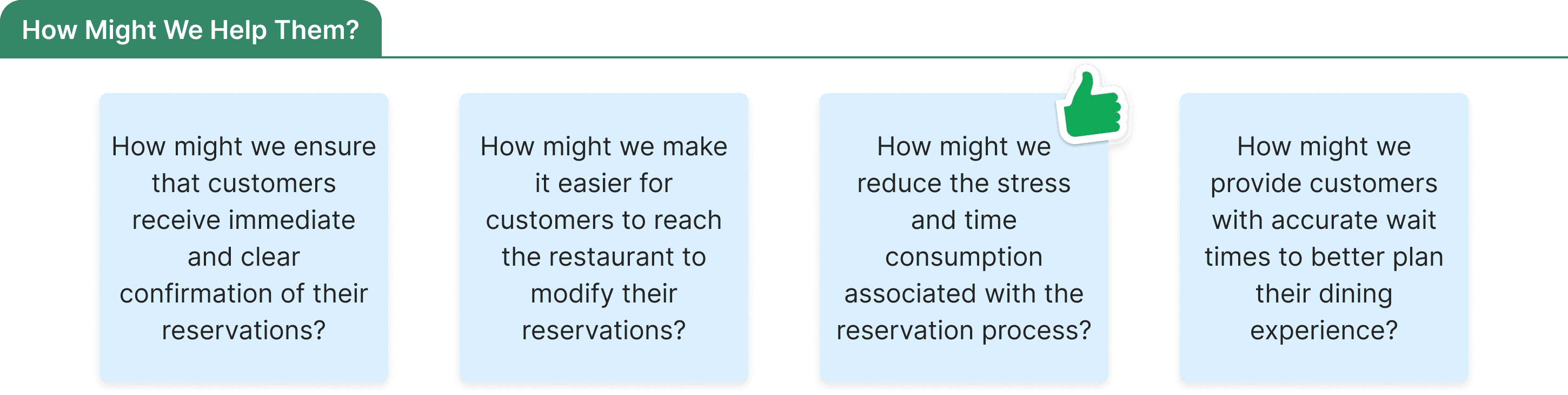

HMW: How might we reduce the stress and time consumption associated with the reservation process?
Solution: Develop a comprehensive, user-friendly interface that simplifies and guides customers through the reservation process quickly and efficiently.

Creating a user flow is essential to gain a bird's eye view of the user experience, allowing us to anticipate what needs to be added or removed for the user's comfort. The purpose of this user flow is also to assess the ease with which users can achieve their goals.
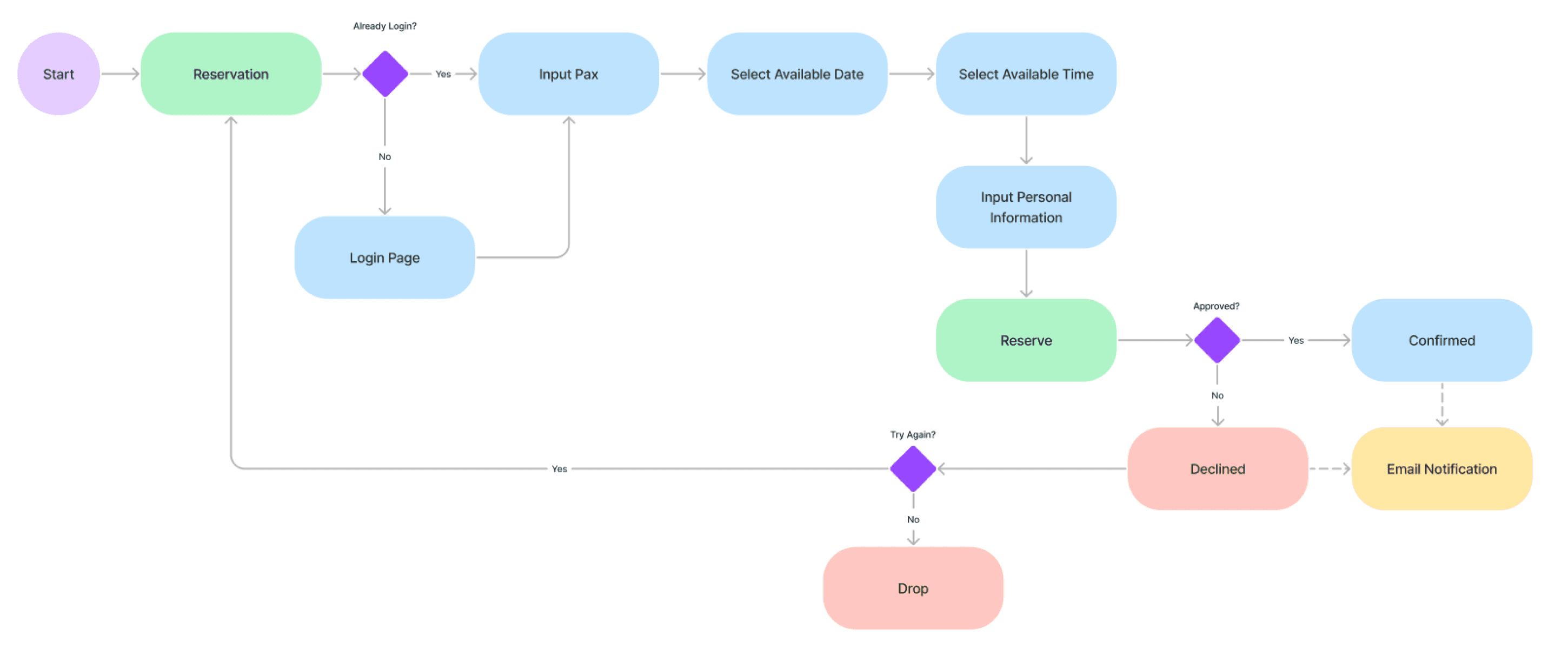

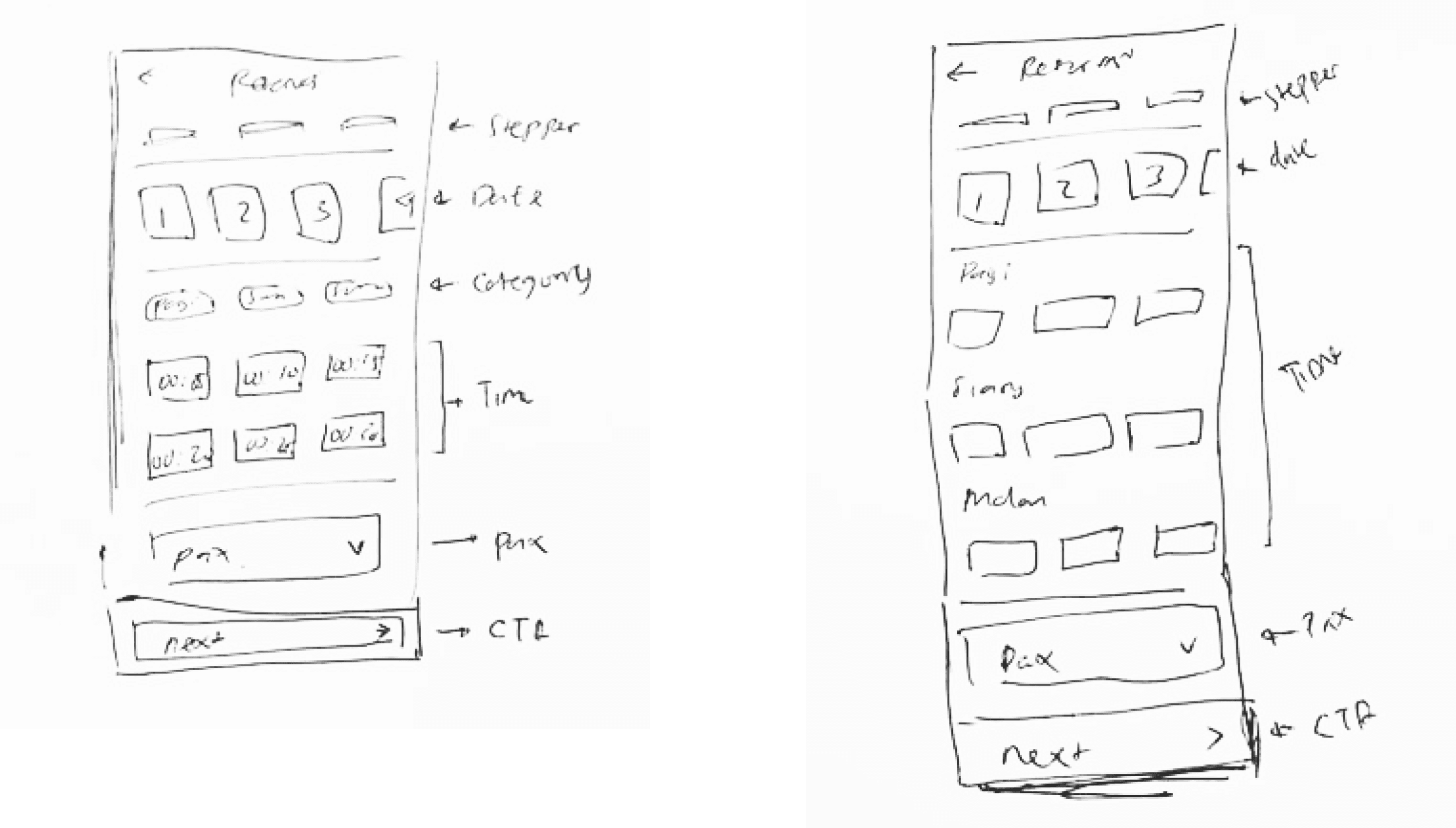
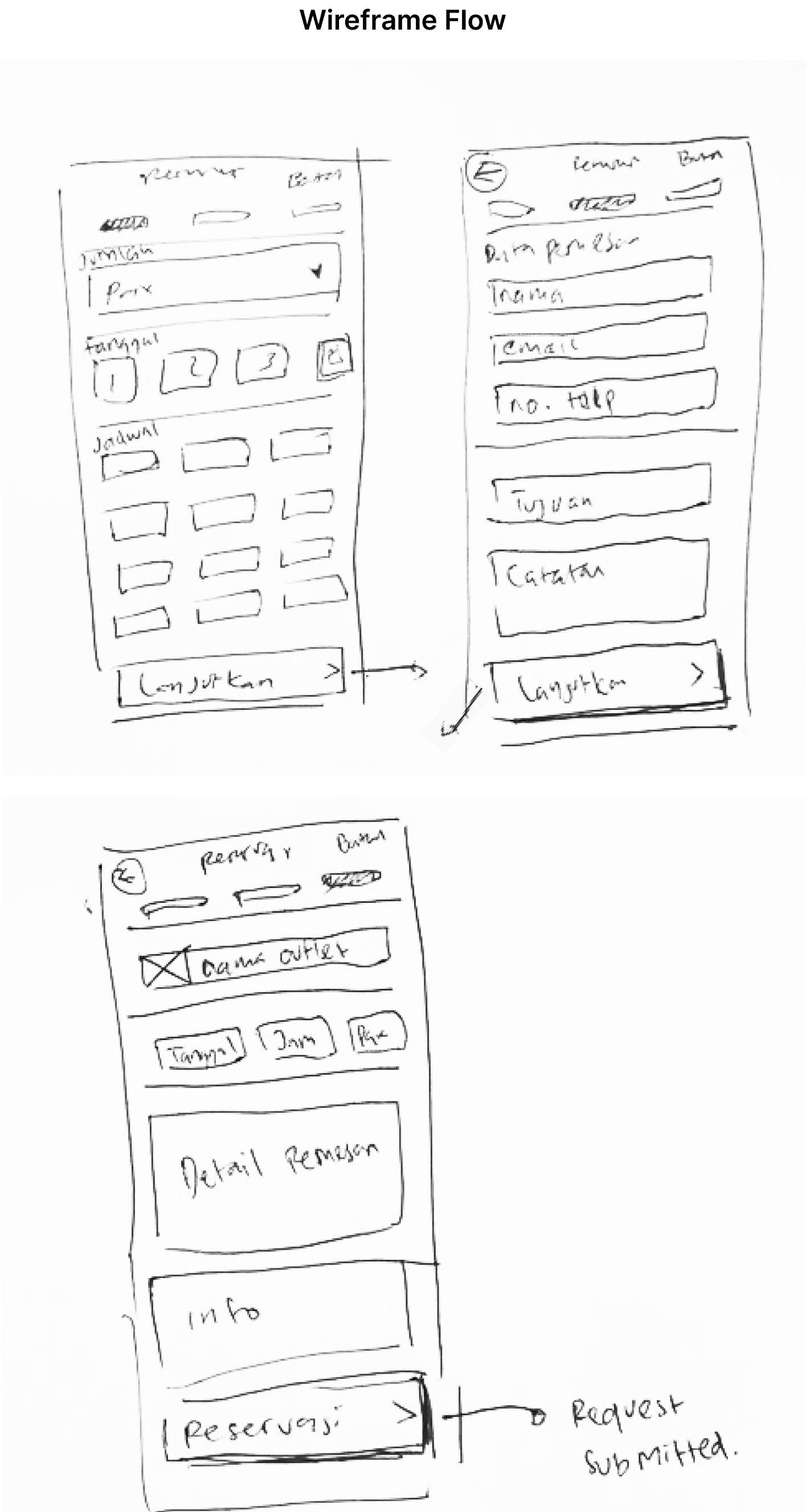
To ensure that the flow created meets the needs of ESO users, I have made rough sketches of what is required on the reservation page as well as its flow. These sketches outline the main screens alternatives, and the chosen one, Personal Information form page, and as well as the summary page.

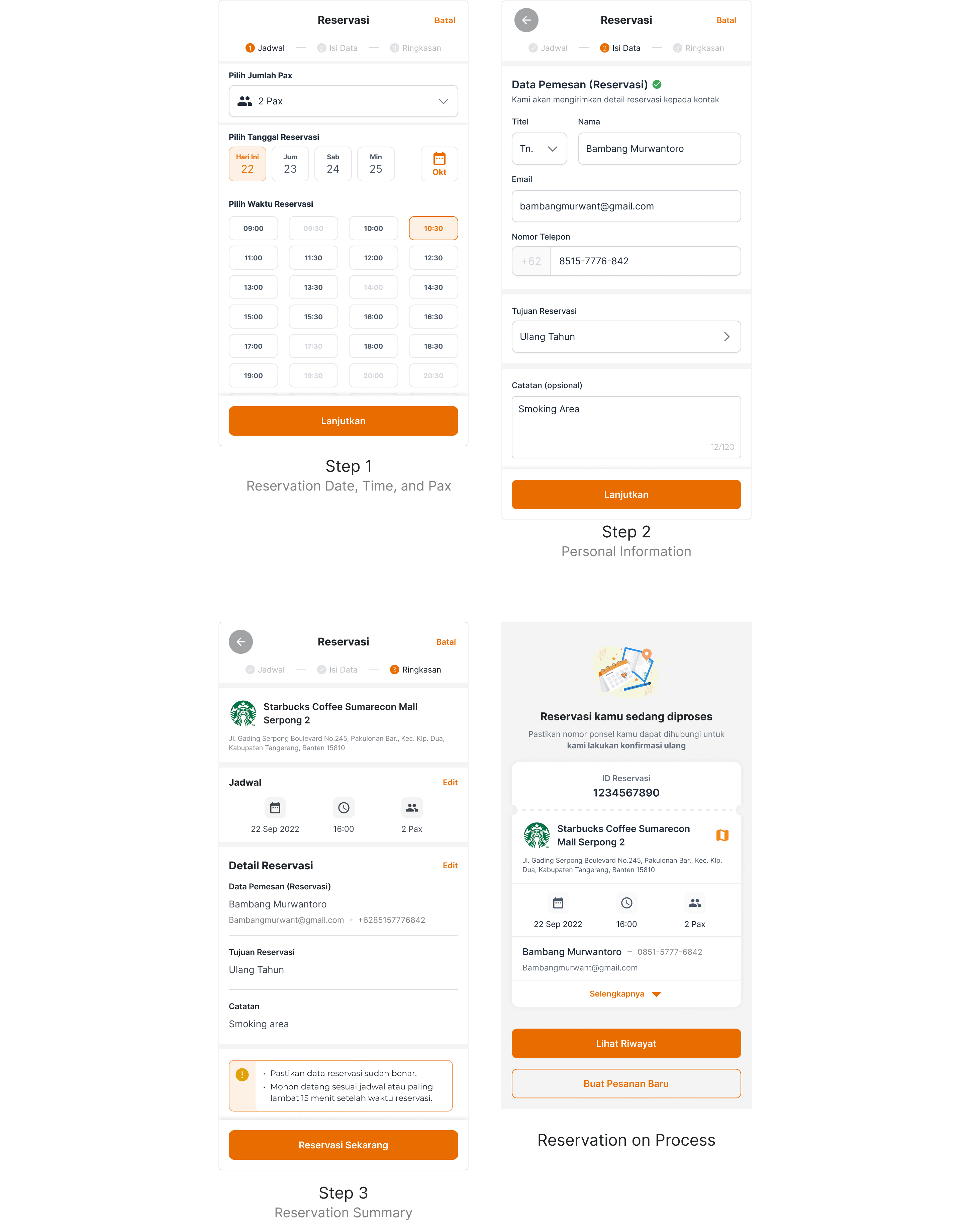
After creating a set of wireframes, I developed hi-fidelity mockups based on the previously made sketches. In designing these hi-fidelity mockups, I also referred to several aspects that enhance aesthetics and strengthen visual hierarchy, UI principles, and relevant UX laws.

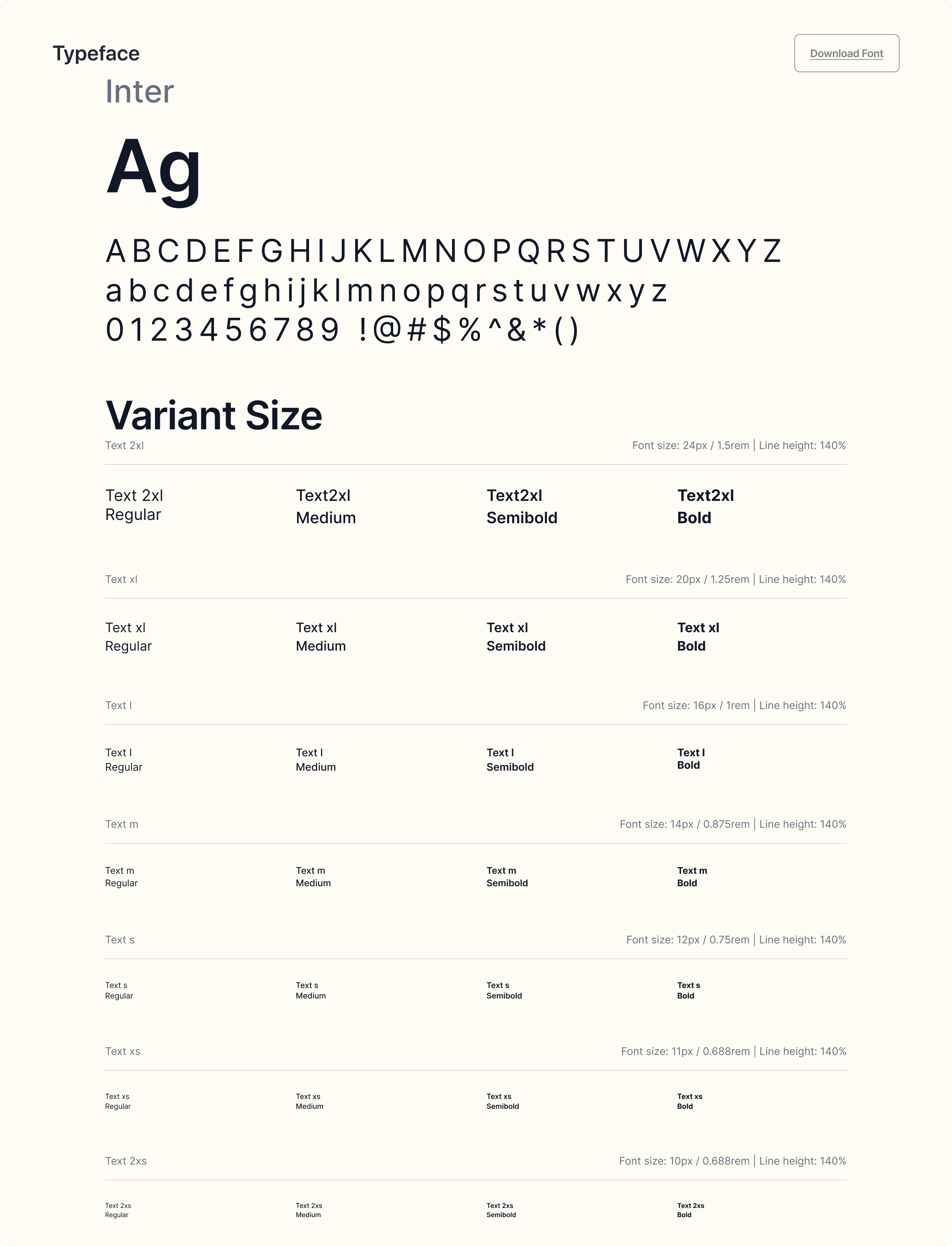
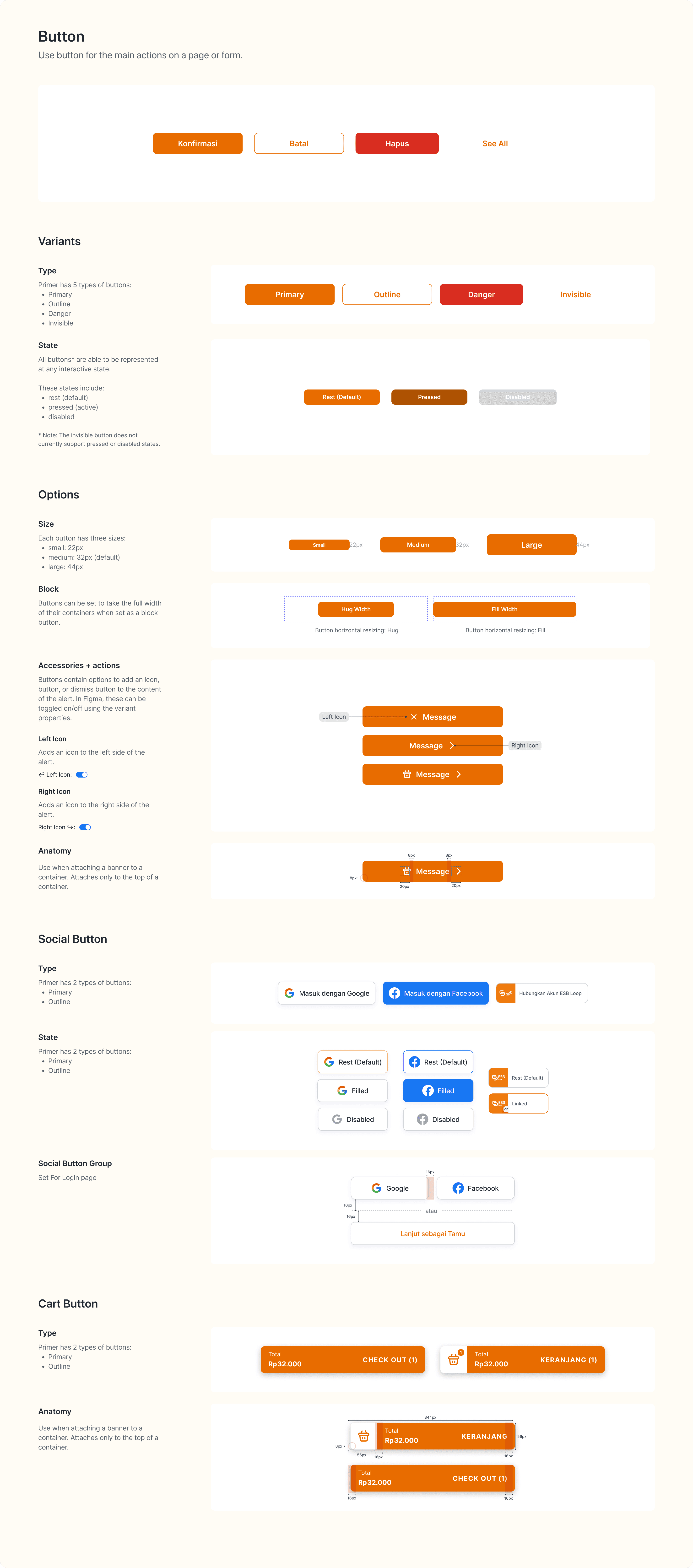
I also prepare design documentation with the aim of ensuring alignment between the design, developers, and quality assurance, so that the resulting output can be maximized.
Thus concludes the process of designing the Reservation feature until it can be used by the public. As of now, I am still continuing to make improvements and monitor metrics to make it more effective for users.
If you have any questions or would like to discuss potential collaborations, please feel free to contact me. I look forward to the opportunity to connect and explore how we can work together to create impactful designs.
Cheers,
Edvyn Tanu